
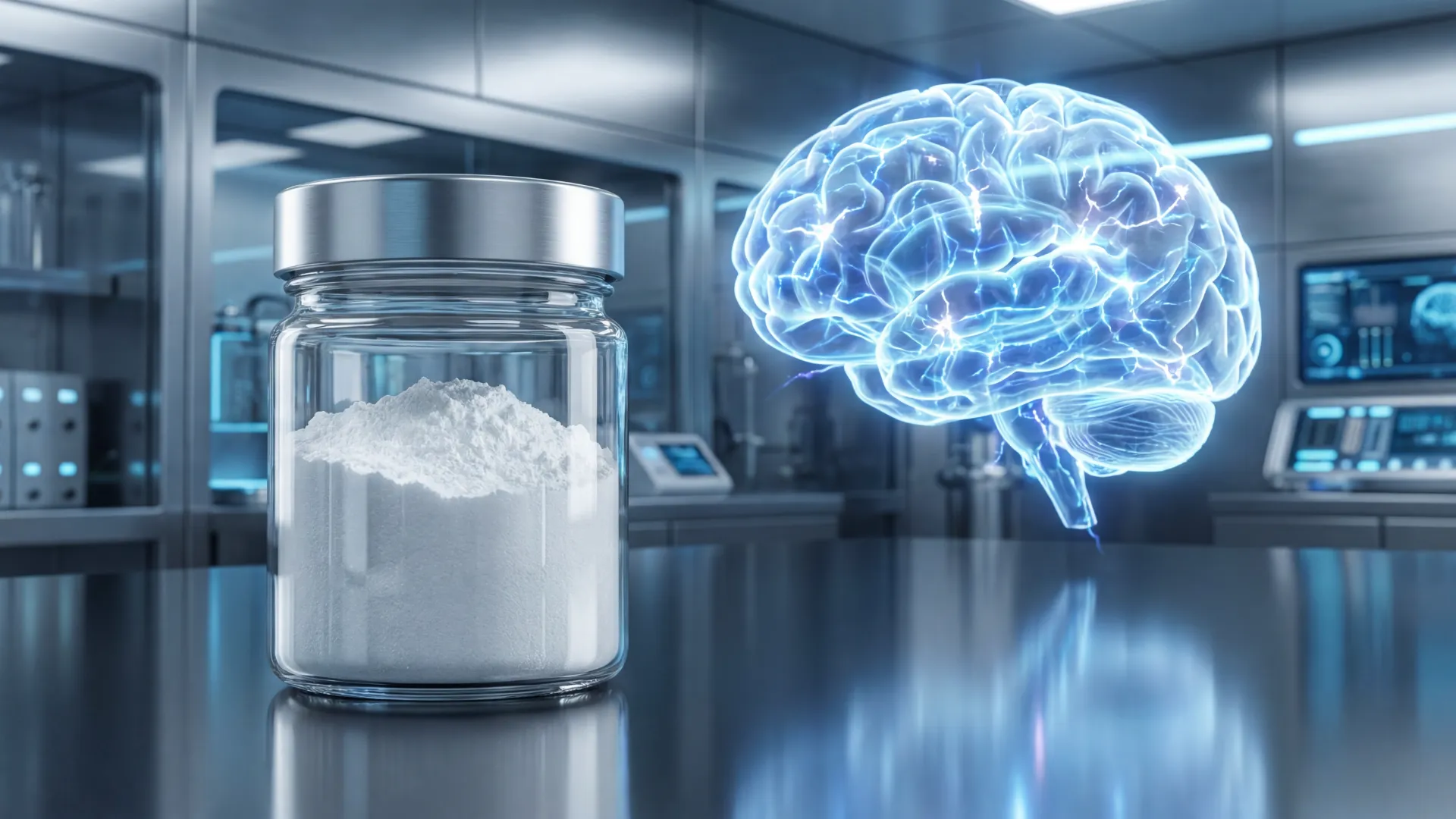
Creatine can be found in almost every gym cabinet, but most people only use it to increase strength and muscle mass. That’s a shame, because your brain is just as dependent on quick energy as your muscles, especially if your life is full of deadlines, workouts, and ambitions. If you want to maximize your life, creatine is not just a “muscle supplement,” but a serious brain tool.
How creatine works in your body
Your body produces about 1–3 grams of creatine per day, mainly in the liver and brain. That creatine is stored as phosphocreatine: a kind of emergency energy buffer that can rapidly produce extra ATP when demand spikes. Muscles are extremely eager to do this, but your brain (which is constantly active) uses this system just as well.
When does creatine actually reach your brain?
At low to moderate doses (around 3–5 grams per day), you mainly replenish your muscle stores. These become saturated over time; from that point on, more creatine remains circulating in your blood, making it easier for it to enter your brain. In studies in which people were given approximately 10 grams of creatine per day, increased creatine levels were seen in multiple areas of the brain. That is exactly the level at which creatine becomes not only a “gym hack” but also a “brain hack.”
Creatine under stress: sleep deprivation, busy days, and mental strain
You notice it especially when things are going badly: short nights, jet lag, heavy study days, or long working days when you have to keep performing. In a study involving 21 hours of sleep deprivation, a single high dose of creatine (approximately 25–30 grams) enabled participants to maintain their cognitive performance (reaction time, information processing) better than without creatine. Broader research also shows that creatine can support memory, attention, and processing speed in stressful situations, although larger studies are still ongoing.
In practice, many high performers report fewer afternoon slumps, greater mental clarity, and less “brain fog” when taking around 10 grams daily, especially on busy days. This is partly research, partly experience: no guarantee for everyone, but an interesting lever if you already take good care of yourself.
Mood, brain aging, and plant-based lifestyle
Creatine is also being studied in relation to depression and neurodegenerative diseases such as Alzheimer’s. The hypothesis is that if neurons have more and more stable energy, networks for mood and memory function better and may be less vulnerable. Studies show positive signs, but it is not yet a standard therapy. Consider creatine as a supplement, not a medicine.
If you are vegan or eat a largely plant-based diet, this is particularly relevant: creatine is mainly found in meat, fish, and dairy products. Vegans are therefore completely dependent on their own production of creatine and, in some studies and practical experiences, respond particularly strongly to supplementation (more energy, better focus, less mental fatigue).
How can you use creatine wisely and safely?
For most healthy adults, the following applies:
- 3–5 grams of creatine monohydrate per day: classic, safe maintenance dose, especially for muscles.
- Around 10 grams per day: in studies, this is the point at which creatine also appears to increase significantly in the brain, especially if your muscles are already saturated.
Higher, acute doses (e.g., 20–30 grams) have been used in research on sleep deprivation, but this was done under medical supervision. So don’t just experiment with this yourself and always consult a doctor if you have health problems or are taking medication.
Remember: creatine multiplies what you already do.
• Sleep deprivation, junk food, and no exercise × creatine = still mediocre.
• Good sleep, strength training, healthy nutrition, stress management × creatine = maximum growth, both physically and mentally.
Ready to let your brain grow with your ambitions?
If you’re reading this, you’re probably one of the small group of people who are consciously working on their health, performance, and growth. Creatine can be that extra 5–10% that helps you not only work hard, but also think clearly, recover better, and keep going longer.
Want more evidence-based, immediately applicable optimization tips for your body, brain, and business?
Sign up for our newsletter and stay informed about new articles, events, and the launch of our exclusive community for people who really want to maximize their lives.